

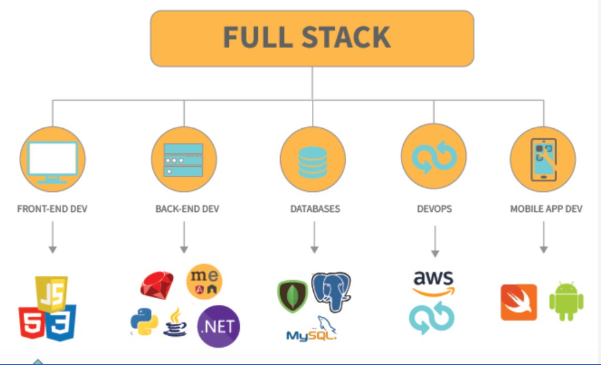
In modern web applications, presenting data effectively is crucial for ensuring a seamless user experience. Dynamic data tables are essential for full-stack applications, allowing users to filter, sort, search, and manipulate large datasets efficiently. Whether used in dashboards, financial applications, or e-commerce platforms, interactive tables enhance usability and data management.
Building dynamic data tables requires integrating both front-end and back-end functionalities. While the front-end ensures a smooth and responsive user interface, the back-end handles data retrieval, storage, and processing. Full-stack developers must understand how to design optimized data tables that support real-time updates, pagination, and customizable features.
For developers looking to master full-stack development, enrolling in a Java full stack developer course provides the necessary skills to create scalable and efficient dynamic data tables. This article explores best practices for building dynamic data tables, their use cases, and how full-stack developers can integrate them into modern applications.
Why Dynamic Data Tables Are Essential for Full Stack Applications
Dynamic data tables provide interactive data visualization and management capabilities. Unlike static tables, dynamic tables allow users to:
- Sort data based on different columns.
- Filter records to refine search results.
- Paginate large datasets for improved performance.
- Edit and update data in real-time.
- Export data into different formats like CSV or PDF.
These features are particularly useful in applications such as:
- Enterprise dashboards – Displaying real-time analytics and performance metrics.
- E-commerce platforms – Managing product inventories and customer orders.
- CRM systems – Handling user data and customer interactions.
- Financial applications – Analyzing transaction records and reports.
Developers can learn to build robust and efficient data tables by enrolling in a full stack developer course in Bangalore, which offers hands-on training in data visualization and back-end integration.
Key Features of a Dynamic Data Table
To create a fully functional dynamic data table, full-stack developers must implement several key features:
1. Sorting and Filtering
Users should be able to sort table data in a climbing or falling order and apply filters based on measures such as date, category, or value.
2. Pagination
For large datasets, implementing pagination improves load times and performance by displaying only a subset of records at a time.
3. Real-Time Updates
Dynamic tables should support real-time data updates without requiring page reloads. This is particularly useful for live dashboards and stock market applications.
4. Export and Import Options
Users should be able to export data in various formats (CSV, Excel, PDF) and import new data as needed.
5. Inline Editing
Editable table fields allow users to modify data directly from the interface, improving efficiency and user experience.
A Java full stack developer course covers these essential features, helping developers integrate them effectively into full-stack applications.
Best Practices for Implementing Dynamic Data Tables
1. Optimize Data Retrieval
Fetching large datasets directly from the database can slow down performance. Instead, use techniques such as:
- Server-side pagination to fetch only the required records.
- Caching strategies to store frequently accessed data.
- Indexed database queries to speed up search operations.
2. Use a Scalable Front-End Library
Libraries such as DataTables.js, AG Grid, or Tabulator.js provide ready-to-use features like sorting, filtering, and pagination, reducing development time.
3. Implement Lazy Loading
Loading only visible rows initially and fetching additional data as users scroll improves performance, especially for large datasets.
4. Ensure Mobile Responsiveness
Tables should be optimized for different screen sizes, ensuring a smooth experience on mobile and tablet devices.
5. Secure Data Transactions
If users can edit table data, implement validation, authentication, and access control to prevent unauthorized modifications.
A full stack developer course in Bangalore provides in-depth training on implementing these best practices to build efficient and secure data tables.
Integrating Dynamic Data Tables in a Full Stack Application
1. Back-End Setup for Data Management
The back-end must support data retrieval, storage, and updates. This can be achieved using:
- RESTful APIs to fetch and update data dynamically.
- WebSocket connections for real-time updates.
- Database queries optimized for quick search and filtering.
2. Front-End Implementation for Interactivity
The front-end should include interactive UI components that allow users to manipulate table data seamlessly. Frameworks like React, Angular, and Vue.js offer built-in support for dynamic table rendering.
3. API Integration for Live Data
Connecting the table with APIs ensures that data is updated dynamically without requiring page reloads. APIs can be used for fetching records, filtering data, and processing updates.
A ava full stack developer course includes hands-on projects where developers build and integrate data tables using front-end frameworks and back-end APIs.
Use Cases for Dynamic Data Tables in Full Stack Development
1. Business Intelligence Dashboards
Organizations rely on data tables to visualize key performance indicators, employee productivity, and operational statistics.
2. E-Commerce Order Management
Retail businesses use dynamic tables to manage product catalogs, customer orders, and inventory levels.
3. Customer Relationship Management (CRM)
CRM applications use interactive tables to track customer interactions, sales history, and support tickets.
4. Healthcare Records Management
Medical applications use data tables to maintain patient records, appointments, and diagnostic reports.
Challenges in Implementing Dynamic Data Tables
1. Handling Large Datasets Efficiently
Loading thousands of records can slow down the application. Techniques like server-side rendering and data virtualization can improve performance.
2. Managing Data Synchronization
Ensuring that changes made to table data are synchronized across different users and sessions requires real-time updates using WebSockets or polling mechanisms.
3. Optimizing Front-End Performance
Rendering complex tables with numerous interactive elements can lead to UI lag. Implementing virtual scrolling and optimized event listeners can help maintain smooth performance.
A Java full stack developer course teaches developers how to overcome these challenges and build high-performance data tables for full-stack applications.
Future Trends in Dynamic Data Tables
As web applications continue to evolve, several trends are shaping the future of data tables:
- AI-Driven Data Insights – Intelligent tables that analyze and suggest insights based on user interactions.
- Voice-Controlled Interactions – Enabling users to filter and search data using voice commands.
- Blockchain Integration for Secure Transactions – Using decentralized ledgers to track data modifications securely.
- Augmented Reality (AR) Data Visualization – Displaying complex datasets in immersive AR environments.
To stay ahead of these trends, developers should consider enrolling in a full stack developer course in Bangalore, which provides exposure to cutting-edge web development technologies.
Conclusion
Dynamic data tables are vital to modern full-stack applications, providing users with interactive and efficient ways to manage large datasets. By implementing key features such as sorting, filtering, pagination, and real-time updates, developers can create seamless user experiences across different industries.
For those looking to build expertise in full-stack development, a developer course offers comprehensive training on integrating dynamic data tables with modern frameworks and databases. Additionally, structured learning through a full stack developer course in Bangalore ensures that developers gain practical experience in designing, optimizing, and deploying scalable data table solutions.
As data-driven applications continue to evolve, mastering dynamic data tables will be a crucial skill for full-stack developers, helping them build high-performance applications that meet user expectations.
Business Name: ExcelR – Full Stack Developer And Business Analyst Course in Bangalore
Address: 10, 3rd floor, Safeway Plaza, 27th Main Rd, Old Madiwala, Jay Bheema Nagar, 1st Stage, BTM 1st Stage, Bengaluru, Karnataka 560068
Phone: 7353006061
Business Email: enquiry@excelr.com